Why shared solar exists
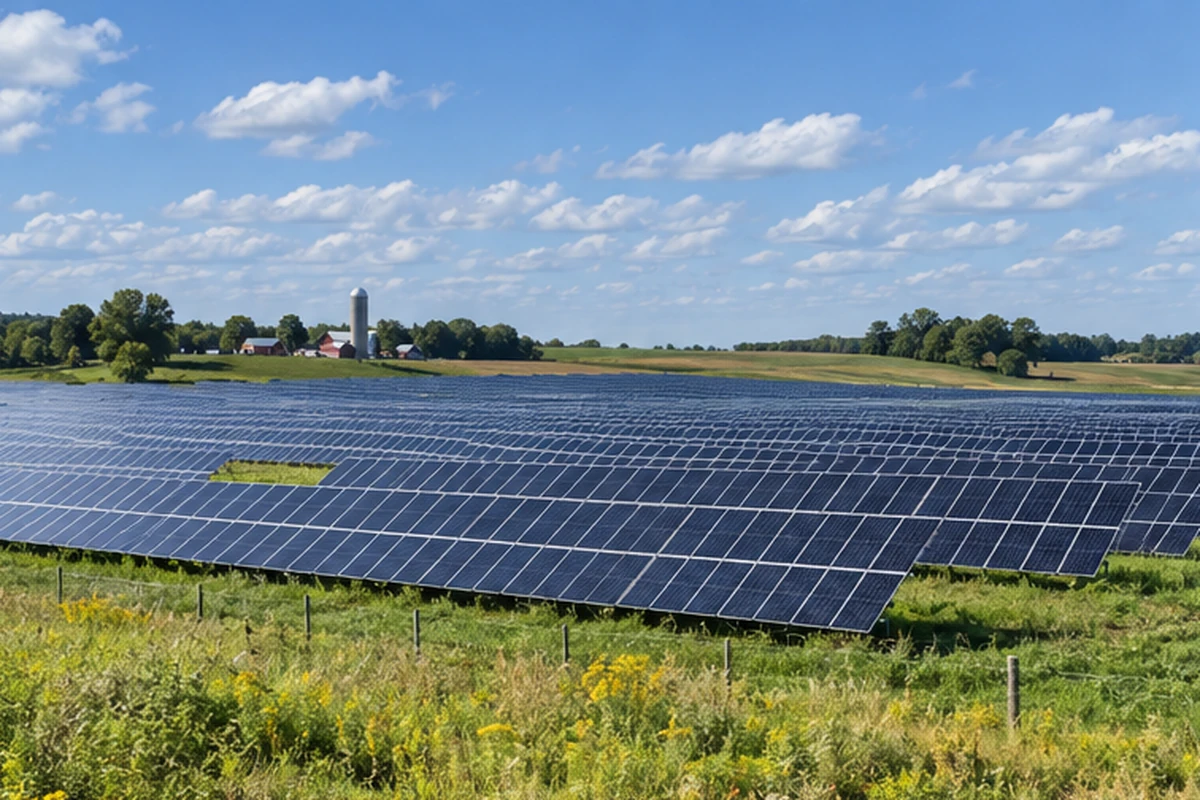
Not every household has a roof that is sunny, structurally suitable or owned by the person paying the electric bill. Shared solar is designed around a larger solar array whose output or economic value is allocated among participating customers under the project’s rules.
The exact structure matters. Some offerings are utility programs, some are subscriptions and some involve ownership or investment arrangements. Those differences affect contracts, bill credits, transferability and the way a participant exits.
Read the bill-credit language carefully
Before joining, ask exactly how credits are calculated, where they appear on the electric bill and whether the credit formula can change. A project may look simple in advertising while the contract contains important details about annual escalators, fees or minimum terms.
Participants should also ask what happens after a move. A strong consumer-friendly program explains whether a subscription can transfer to a new address, transfer to another customer or be cancelled.
Look beyond price
Project quality also includes siting, land stewardship, vegetation management, community engagement and decommissioning plans. Wisconsin agencies publish guidance for responsible renewable-energy siting, especially for larger projects.
For rural projects, questions about farmland, drainage, pollinator habitat and compatibility with agricultural use can be as important locally as the energy output itself.
Questions to ask before signing
Ask who owns the array, who maintains it, what happens if production is lower than expected, whether there is an upfront payment, how long the agreement lasts and which party is responsible for resolving billing problems.
Keep a copy of the full contract and any savings estimate. A clear project should be understandable without relying on verbal promises that do not appear in the written terms.